Interior decorating
Walls, ceilings, woodwork, doors, staircases and radiators, in single rooms or whole houses. Includes filling, caulking and sanding, and sealing newly plastered walls after our plastering.
Interior and exterior painting & decorating for homes, offices and rentals, with the preparation done thoroughly and your rooms left clean.
Gas Safe registered, FMB members and family-run in Eastbourne.
Most of a decorating job happens before any finish paint goes on. Filling, sanding, caulking, stabilising powdery surfaces, treating stains so they do not bleed through, sealing new plaster and priming bare timber and metal are what decide whether the result still looks right in three years. The painting itself is the quick part.
Our painters and decorators work inside and out, for homeowners, landlords, letting agents and businesses across East Sussex. That covers single rooms and whole houses, communal areas and stairwells in blocks, offices and shops, rental turnarounds between tenants, and full exteriors including render, masonry, timber and metalwork.
Because we also plaster, we can put right the walls before we paint them. A room with cracked or blown plaster will never look flat under paint, however good the paint is and however carefully it is applied.
Our quotes spell out the preparation as well as the painting, so you can compare them against anyone else’s and see where the difference actually is.
Paint fails because of what is underneath it. Painting over damp walls, powdery masonry, flaking exterior timber or unsealed new plaster will look fine for a few weeks and then blister, flake or peel away in sheets.
Outside, this coast is hard on decoration. Salt, ultraviolet light and driven rain take the life out of paintwork on exposed elevations far faster than inland, and south and west facing walls always go first.
The other frequent cause is the wrong product. Trade emulsion on a bathroom ceiling, ordinary gloss on a rusting rail, or a plastic masonry paint sealing a solid wall that needs to breathe will all fail regardless of how carefully they were applied.
And painting in the wrong conditions. Exterior work applied too cold, too damp or too late in the year never forms a decent film in the first place.
We prepare to suit what we find, which means the quote tells you what preparation is included rather than leaving it vague. Bare plaster gets a mist coat, stains get blocked, chalky masonry gets stabilised, and bare timber gets knotted and primed.
We choose paint for the surface and the exposure. Breathable mineral paints on solid walls that need to move moisture, moisture resistant finishes in kitchens and bathrooms, and hard wearing scrubbable emulsions in hallways, stairwells and offices.
Our decorators sheet and mask everything, keep the room usable where we can, and clean up daily. Furniture goes back where it came from and you get told what the paint was so you can touch it up later.
Where the walls need attention first, we will say so rather than painting over a problem and letting you discover it next winter.
Single rooms, whole houses, communal areas and full exteriors, for private customers, landlords, agents and businesses.
Walls, ceilings, woodwork, doors, staircases and radiators, in single rooms or whole houses. Includes filling, caulking and sanding, and sealing newly plastered walls after our plastering.
Render and masonry, timber windows, doors, fascias and bargeboards, railings, gutters and downpipes, cut back to a sound edge and coated with finishes made for coastal exposure. See external refurbishment.
Hanging, lining and stripping, including feature walls and papers that need careful pattern matching. Lining first on older walls is usually what makes the difference to the finished result.
Fast redecoration between tenants, working to an agent’s date and inventory standard, using hard wearing washable finishes that stand up to tenant use and are easy to touch in later.
Hallways, stairwells and landings in blocks worked around residents with escape routes kept clear, plus offices, shops and feature walls decorated out of hours where that suits the business.
Anti mould coatings in bathrooms and kitchens, breathable mineral paints on solid walls, stain blocking over water and nicotine damage, and rust treatment and protection on metalwork.
Decorating quotes are notoriously hard to compare, because the number depends almost entirely on preparation that is never described. Ours sets out the following, and it is worth asking anyone else for the same.
If a quote is a single figure with none of that behind it, you have no way of knowing what you are comparing.
Residential Customer
The team at CB Property Maintenance were extremely professional and easy to work with. They helped us make good, informed decisions during our renovation.
Exterior decoration does not last as long in Eastbourne, Bexhill or Hastings as it does inland, and it is worth planning for that rather than being surprised by it. Salt in the air, strong light off the sea and rain driven horizontally at a wall all shorten the life of a coating, particularly on south and west facing elevations and anything above first floor level.
What makes the difference is preparation and product choice. Cutting back to a sound edge, treating rust and bare timber before it is coated, and using a finish made for exposure will get you years more than a fresh coat over failing paint. On seafront property that gap is measured in years rather than months.
Solid walled period houses need one more decision, which is breathability. A plastic masonry paint on a solid wall seals moisture in and causes exactly the damp and blown render we get called to. Mineral and breathable coatings let the wall carry on drying, and on those buildings they are the correct choice.
Timing matters as well. We would rather do exterior work between spring and early autumn when surfaces are dry and temperatures are high enough for paint to cure, and we will say so if you ask us to paint an exterior in January.
Yes. We move what can be moved, sheet what cannot, mask floors, sockets and skirting, and put the room back together at the end. We clean up daily rather than leaving it all to the last day, because most of our work is in occupied homes.
Until it is fully dry and an even colour with no dark patches. A skim coat is often ready in several days in a warm ventilated room, while full float and set work or lime plaster takes considerably longer. The first coat should be a thinned mist coat so it soaks in and binds rather than sitting on the surface and peeling later.
Not as a fix. Paint will cover mould for a short while and then it comes back through, because the moisture causing it is still there. We treat the surface and deal with the cause first, be it condensation, a leak or penetrating damp, using our damp proofing work where needed, and then decorate.
Less often than people fear but more often than inland. Exposed elevations in Eastbourne and Bexhill generally need attention several years sooner than sheltered ones, and timber needs watching more closely than masonry. Touching in a failing edge early is far cheaper than waiting until the whole wall needs stripping back.
Yes, and we are used to working to a deadline for landlords and letting agents. Tell us the date the property has to be ready and what standard the inventory expects, and we will tell you honestly if it is achievable.
Yes. Stairwells and hallways in blocks of flats have to stay usable and escape routes have to stay clear, so we work in sections, keep the route open and time the wetter stages around residents.
Yes, and we write it down. Knowing the brand, product and colour reference means you can touch in a scuff in two years and have it match rather than repainting a whole wall. It is a small thing that saves customers money later.
Yes. Those rooms need moisture resistant, washable finishes and, where there is a history of mould, a coating designed to resist it, along with effective extraction to deal with the cause. Standard matt emulsion in a bathroom will mark and grow mould however well it is applied.
We are based on Hyde Gardens in Eastbourne, so the town and the villages around it are home ground for us. We are out working here most days and we know the housing well, including the older seafront terraces, the Victorian and Edwardian houses in Upperton and Meads, and the newer estates and blocks of flats nearer the edge of town.
From Eastbourne we cover the whole of East Sussex. Along the coast that takes in Bexhill, Hastings, Seaford, Newhaven, Brighton, where salt air and driving rain are hard on any building. Inland we work regularly in Polegate, Hailsham, Pevensey, Willingdon, Lewes, Uckfield, Heathfield, Crowborough, Battle and the smaller villages between them, where period cottages and country properties often need a gentler approach and older materials matched carefully.
Being local matters for painting and decorating. We can get to you quickly to take a look, we know the buildings and the ground conditions, and we are never far away if you need us again. If your village is not on the list there is a good chance we still reach you, so give us a call on 01323 671001 and we will tell you either way.
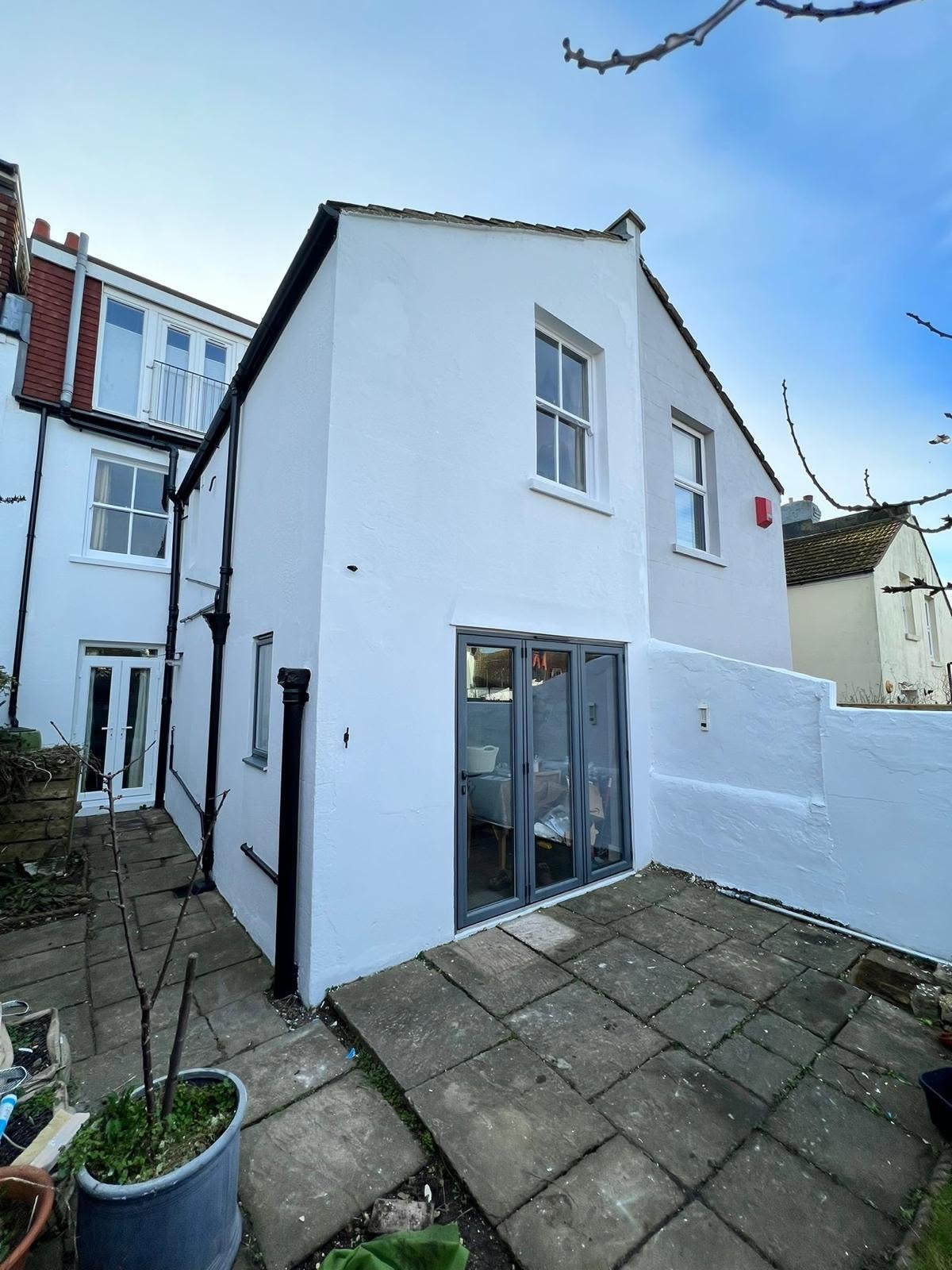
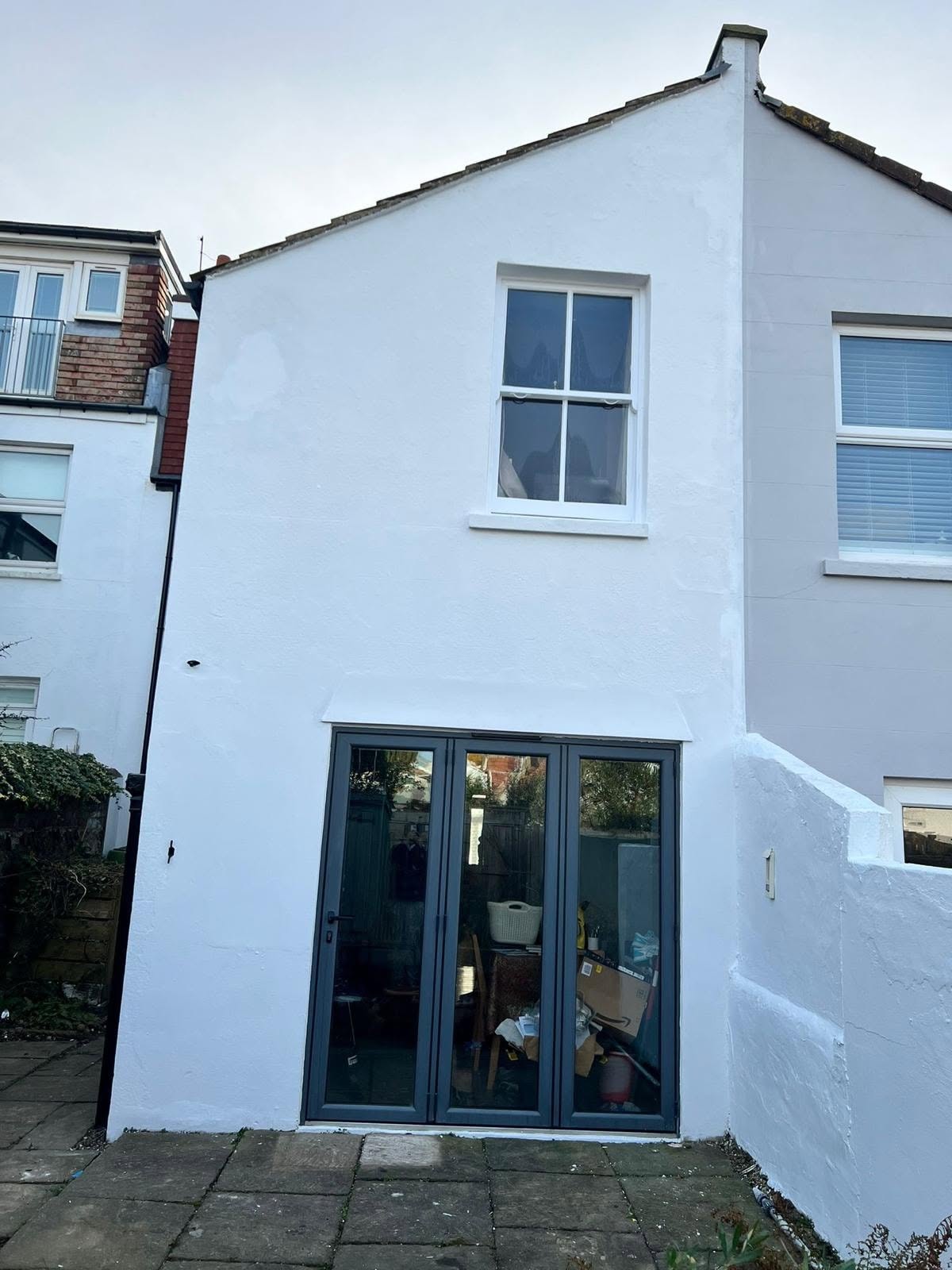
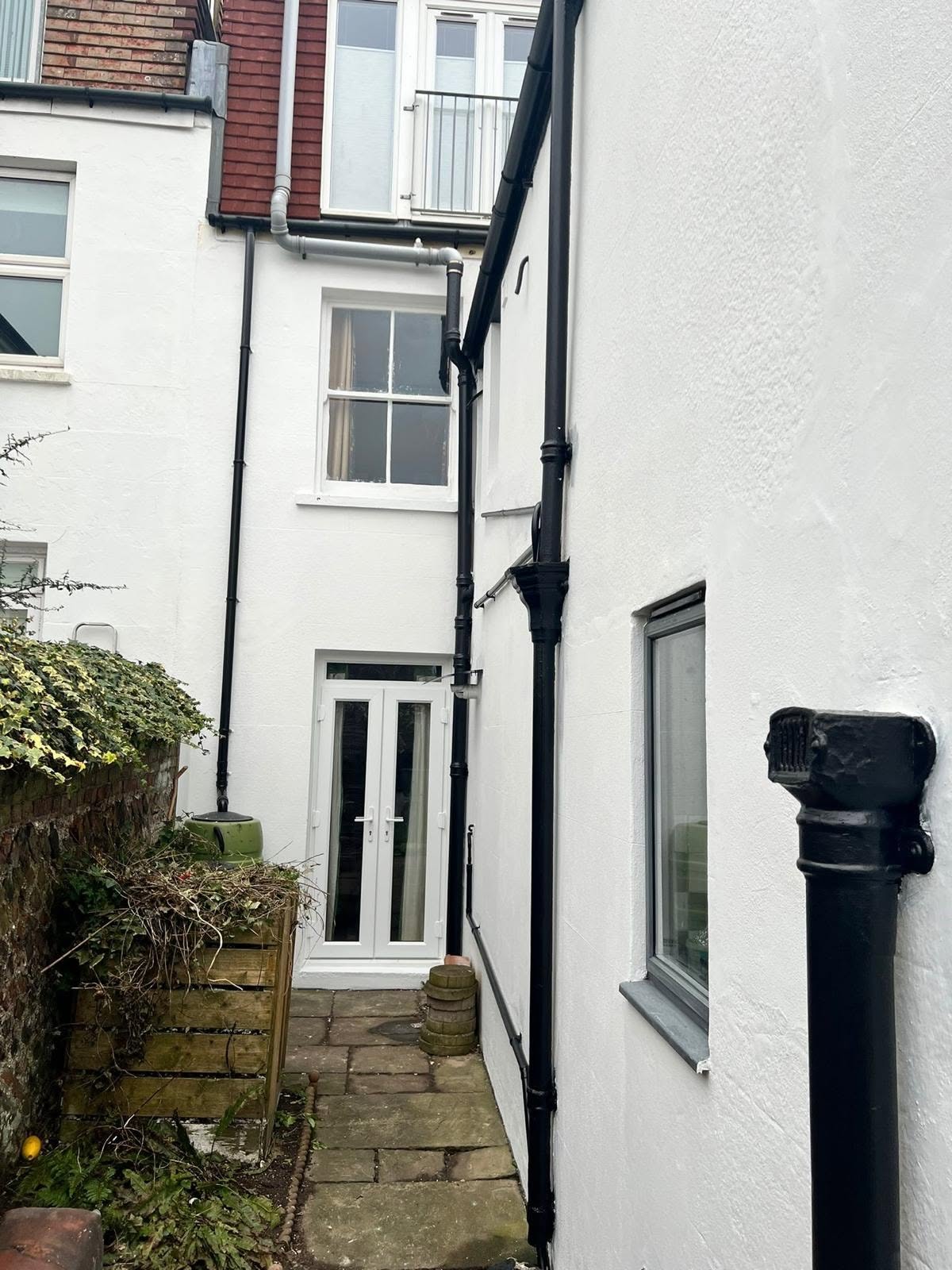
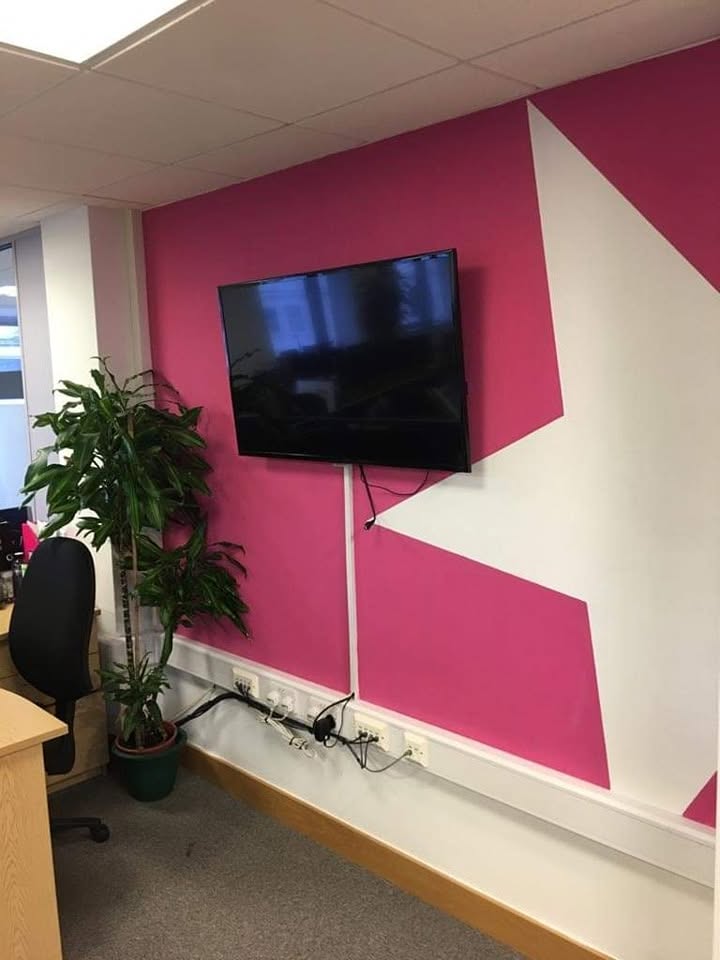
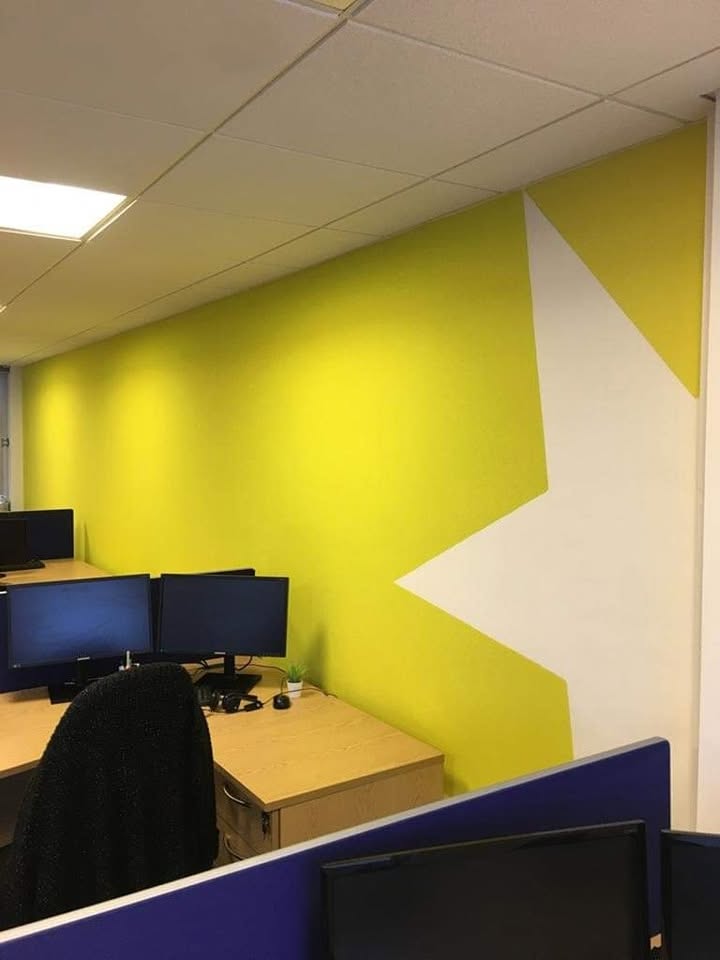
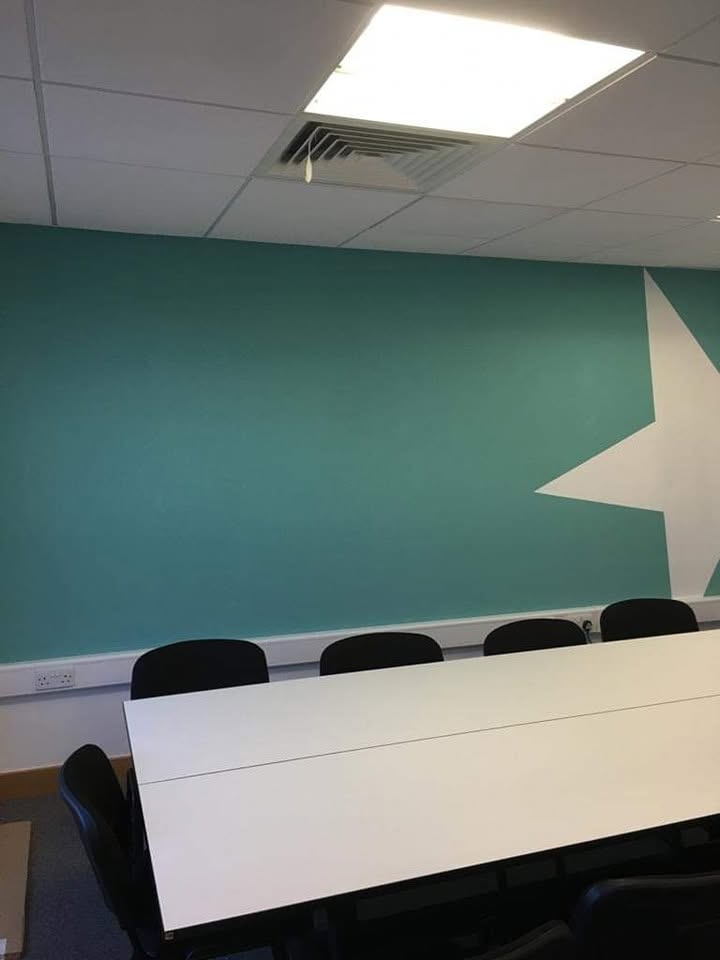
Exterior repainting on rendered and masonry walls, and office feature walls in a range of colours.


We are Gas Safe registered and members of the Federation of Master Builders, NAPIT and the FSB. Those memberships mean our gas, electrical and building work is measured against recognised standards, and that an outside body has looked at how we work rather than us simply saying we are good at it. For a family business our reputation matters more than anything, and we have built it one customer at a time.
Our Accreditations