Strip out and structure
Removing what is being replaced with waste managed and the building kept secure, then any walls coming out, openings being formed or beams going in through our structural works.
Whole house and whole building refurbishment run by one local family team, so you are not left coordinating six trades around each other.
Gas Safe registered, FMB members and family-run in Eastbourne.
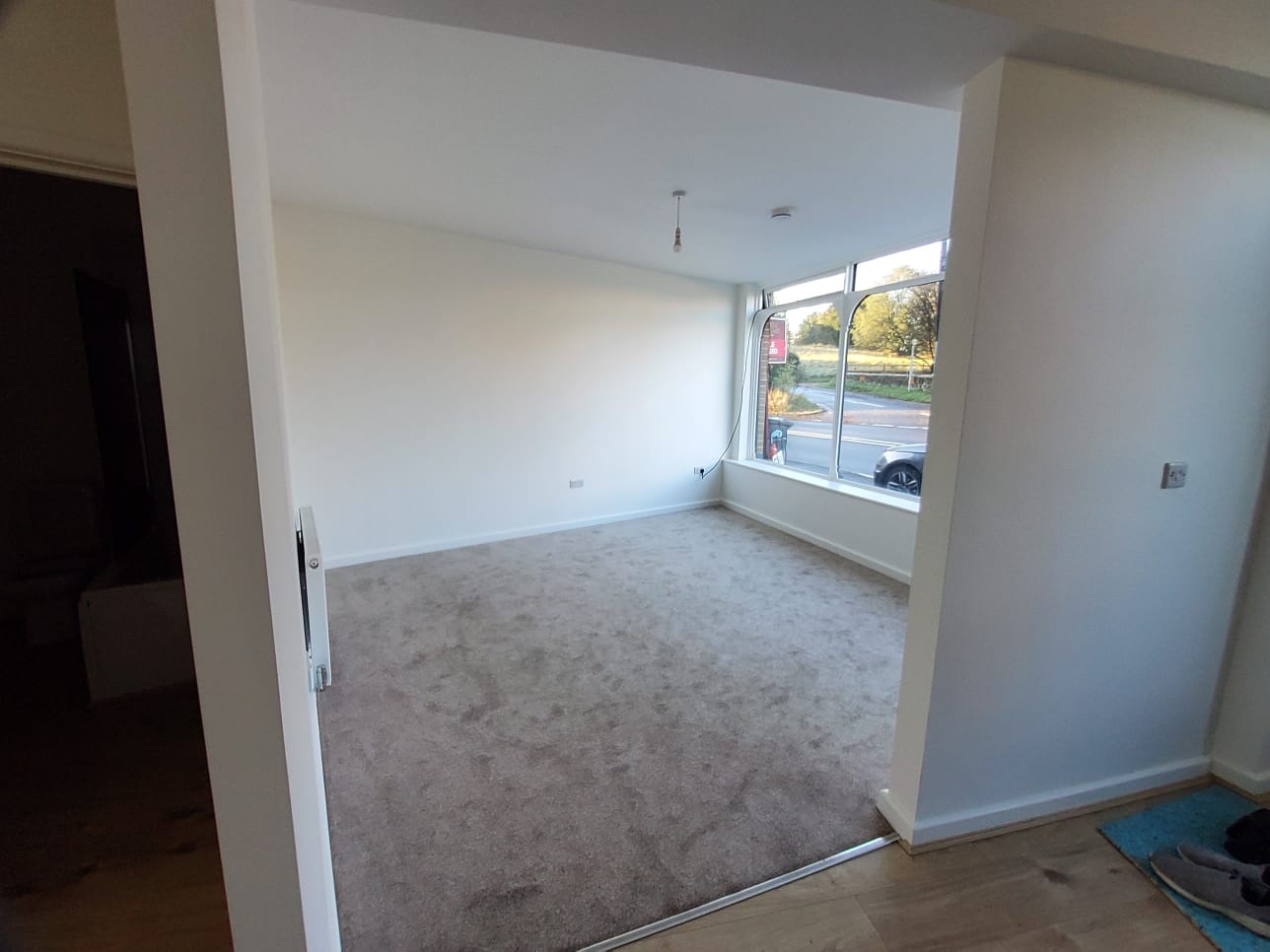
A refurbishment means bringing a building back up to standard as one piece of work rather than repairing it a bit at a time. Typically that covers rewiring and replumbing, a new kitchen and bathrooms, replastering, flooring, joinery, decoration and often the outside of the building as well, all planned in the right order.
The order is most of the value. Electrics and plumbing go in before plastering, plaster dries before decorating, flooring goes down after the wet trades are finished. Get the sequence wrong and work gets done twice, which is the single biggest cause of refurbishment budgets running away from people.
We refurbish houses, flats, blocks and commercial buildings across East Sussex for owners, landlords, agents and businesses. Because our own team covers most of the trades involved, one company plans it, runs it and answers for it, and Colin prices the work and stays involved rather than handing you over to a manager.
It is the work we most enjoy, because it is where you see the biggest change, and it is also where having one accountable firm matters most.
Most refurbishment horror stories come down to three things. Nobody was running the job, so trades turned up in the wrong order or not at all. The survey was too quick, so problems appeared once walls were opened and the price moved. Or the scope was never written down, so what was included became an argument.
Older buildings make all three more likely. Once you lift a floor in a Victorian house you can find perished wiring, notched joists, a chimney breast sitting on nothing, or damp nobody could see. Those are normal findings, not disasters, but they need budgeting for honestly.
The other frequent problem is living in it. A refurbishment around an occupied house needs planning around water, heating, cooking and sleeping, and that rarely happens by accident.
And then payment. Large up front deposits and vague stage payments are where customers get badly caught out, so it is worth agreeing exactly what triggers each payment.
We survey thoroughly before pricing, and we build a written scope so you can see exactly what is included, room by room. Where we cannot see behind something we say so, and we allow for it rather than pretending it is not there.
One point of contact runs the job. We sequence the trades, order materials in advance so nothing stops for a delivery, and tell you at the start which weeks will be the disruptive ones so you can plan around them.
If we open something up and find a problem, we stop and show you. You get the options and a price before we carry on, so nothing appears on the final invoice that you have not already agreed.
Payments are tied to stages of work completed, not to a calendar, and we do not ask for large sums before we have done anything.
Every building is different, but the shape of the work is fairly consistent. This is what a full refurbishment normally covers, and any part of it can be left out if you would rather phase the spend.
Removing what is being replaced with waste managed and the building kept secure, then any walls coming out, openings being formed or beams going in through our structural works.
Rewiring and replumbing, heating, waste and new circuits by our own electricians and plumbers, all tested and certificated, and all done before anything is plastered over.
Full replacement including tanking, tiling and fitting, sequenced so wet trades finish before the fit out. See kitchen refurbishment and bathroom refurbishment.
Dealing with damp, rot and cold spots found during strip out, while the walls and floors are open and it is cheap to put right rather than after everything is closed up.
Replastering in gypsum or lime to suit the building, then doors, skirting, architrave, staircases and fitted storage from our carpenters, and floors levelled and laid.
Full painting and decorating once the wet trades have dried, plus roof, gutters, render and pointing where needed through our external refurbishment.
Refurbishment is the kind of job where people most often feel out of control of the cost. This is how we try to prevent that.
Ring us on 01323 671001 if you want to talk through how a particular project would be priced.
Client
Colin, Nat and the team carried out the work at a competitive price with the minimum of fuss. Courteous, punctual and could not have been more helpful.
The building stock here shapes the work. Eastbourne, Hastings and Bexhill have street after street of Victorian and Edwardian houses, many converted into flats at some point, and inland there are period cottages with solid walls, timber frames and additions from several centuries.
Those buildings need a different approach from a nineteen nineties house. Solid walls want breathable plaster and render rather than cement and gypsum, or you get damp within a couple of years. Original joinery is usually worth repairing rather than replacing. Chimney breasts, lath and plaster ceilings and lime mortar all need handling in ways a modern specification does not allow for.
Getting that right is the difference between a refurbishment that settles down and one that produces damp and cracking within two years. It is also where a lot of money gets wasted, because a specification written for a modern house and applied to a Victorian one has to be undone later.
We have worked on enough of these buildings to know where the traps are, and you can see examples of completed work on our case studies page. For flats and blocks specifically, our flat and apartment refurbishment page covers the lease and access side of it.
A single flat or a small house is commonly six to twelve weeks. A larger house with structural changes, a new kitchen and bathrooms and full redecoration is more often three to five months. It depends on the scope and on what we find once we open things up, and we give you a programme with the quote rather than a number over the phone.
Sometimes, and it depends how much is being done at once. People often stay through a refurbishment that moves room by room, and move out for a full rewire and replumb where water and power are off for periods. We will tell you honestly which situation you are in, and if you are staying we plan around keeping a working bathroom, kitchen and heating for as long as possible.
We survey the building, agree a written scope room by room, and price against that. You get an itemised quote so you can see what each part costs and take things out if the total is more than you wanted. Where something is hidden behind a wall or a floor we say so and include a realistic allowance, because a quote that ignores the unknowns is not a real price.
We stop, show you, explain the options and price them before carrying on. In older buildings finding something is normal rather than exceptional: perished wiring, notched joists, an unsupported chimney breast or damp behind plaster. Nothing gets added to your bill that you have not seen and agreed first.
Yes, where the work needs it. Structural alterations, new circuits, drainage changes and anything affecting fire safety are notifiable, and we deal with building control and the inspections. We tell you at the quote stage what approvals your job needs and whether it also needs planning permission or listed building consent.
Yes. We work for landlords, letting agents and managing agents across East Sussex on single flats, whole blocks and communal areas, including work programmed around tenants and turnarounds against a fixed date. There is more on our who we work with page.
Usually yes, if it needs doing. Scaffolding is a large part of the cost of any high level work, so doing the roof, gutters, render and painting while it is up costs far less than separate visits later. It also means you are not disturbing finished internal work to chase a leak afterwards.
Broadly: strip out, structural work, first fix electrics and plumbing, plastering, joinery, flooring, then decoration, with kitchens and bathrooms fitted after the wet trades in those rooms are done. Getting that order wrong is the main reason refurbishment costs overrun, because work has to be undone and repeated.
We are based on Hyde Gardens in Eastbourne, so the town and the villages around it are home ground for us. We are out working here most days and we know the housing well, including the older seafront terraces, the Victorian and Edwardian houses in Upperton and Meads, and the newer estates and blocks of flats nearer the edge of town.
From Eastbourne we cover the whole of East Sussex. Along the coast that takes in Bexhill, Hastings, Seaford, Newhaven, Brighton, where salt air and driving rain are hard on any building. Inland we work regularly in Polegate, Hailsham, Pevensey, Willingdon, Lewes, Uckfield, Heathfield, Crowborough, Battle and the smaller villages between them, where period cottages and country properties often need a gentler approach and older materials matched carefully.
Being local matters for property refurbishment. We can get to you quickly to take a look, we know the buildings and the ground conditions, and we are never far away if you need us again. If your village is not on the list there is a good chance we still reach you, so give us a call on 01323 671001 and we will tell you either way.
We are Gas Safe registered and members of the Federation of Master Builders, NAPIT and the FSB. Those memberships mean our gas, electrical and building work is measured against recognised standards, and that an outside body has looked at how we work rather than us simply saying we are good at it. For a family business our reputation matters more than anything, and we have built it one customer at a time.
Our Accreditations