Walls and openings
Removing walls with beams where needed, forming stud partitions and new openings, and supporting removed chimney breasts, through our structural works.
Reworking the inside of a house, flat or office: walls, ceilings, floors, joinery and decoration finished by one local team.
Gas Safe registered, FMB members and family-run in Eastbourne.

Internal refurbishment is everything inside the building envelope: taking out or forming walls, replastering or reboarding walls and ceilings, new flooring, doors, skirting and architrave, staircases, fitted storage, lighting and electrics, and full redecoration. The outside of the building is left alone.
People come to us for it in three situations. They have bought somewhere tired and want it sorted before moving in. They are staying put and want the layout to work better. Or they are a landlord or a business turning a property round between tenants or occupiers.
We work on houses, flats, offices and commercial interiors across East Sussex. Because our own team covers the trades involved, one company sequences the whole job and one person answers for it.
Doing it as one project rather than room by room over several years is usually cheaper, because services and structure only get opened up once.
Behind old plaster and under old flooring the same things come up. Blown plaster that sounds hollow, lath and plaster ceilings that have lost their key, floorboards that have been cut about for pipework and never refixed correctly, and wiring that has been extended a few times over the decades.
Layout problems are just as common. Rooms chopped up during a conversion, a dark middle room with no natural light, a hallway that swallows a quarter of the floor area, and doors that open into each other.
None of it is unusual and none of it is a reason to panic. It does mean that a sensible internal refurbishment quote allows for what is behind the finishes rather than pricing only what you can see.
The other regular find is a chimney breast taken out downstairs with nothing supporting what is left above it, which is a safety matter rather than a cosmetic one.
We survey and write a scope room by room, so you can see what is included in each and take rooms out if the total is more than you had in mind. Where something is hidden we tell you and make an allowance for it.
Then we sequence it: strip out, structural changes, first fix electrics and plumbing, plaster, joinery, flooring, decoration. Wet and dusty trades come before finishes, so nothing gets damaged and nothing is done twice.
We sheet up, protect staircases and floors, keep dust down with screens and extraction, and clear up daily. If the building is occupied we work in sections and agree which rooms stay usable.
At the end we walk round with you, write down anything that needs attention and come back and finish it rather than leaving you chasing.
Single rooms through to whole houses, flats and commercial interiors, with the sequence planned so the work only happens once.
Removing walls with beams where needed, forming stud partitions and new openings, and supporting removed chimney breasts, through our structural works.
Replastering, skimming, overboarding tired ceilings and lath and plaster repairs by our plasterers, using lime where the building needs to breathe.
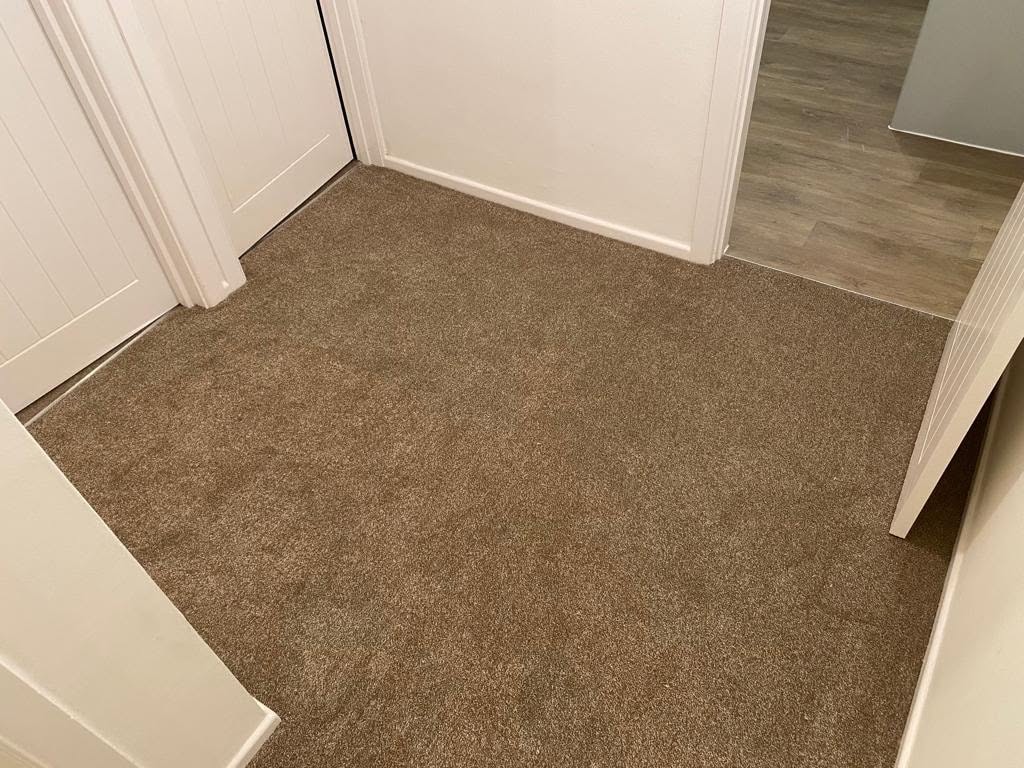
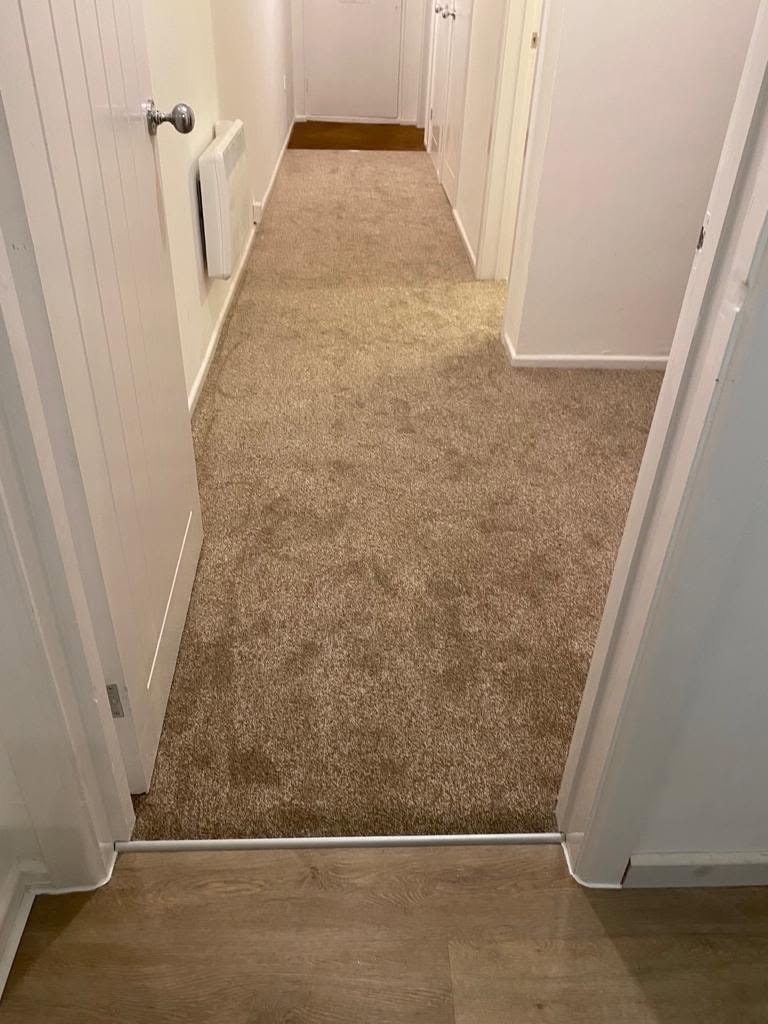
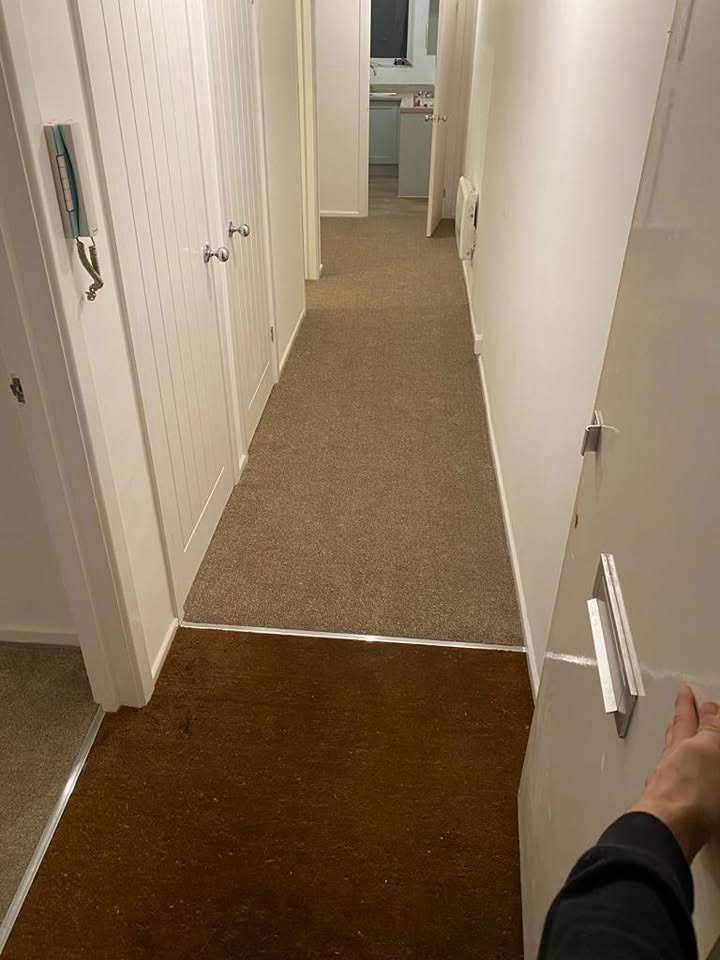
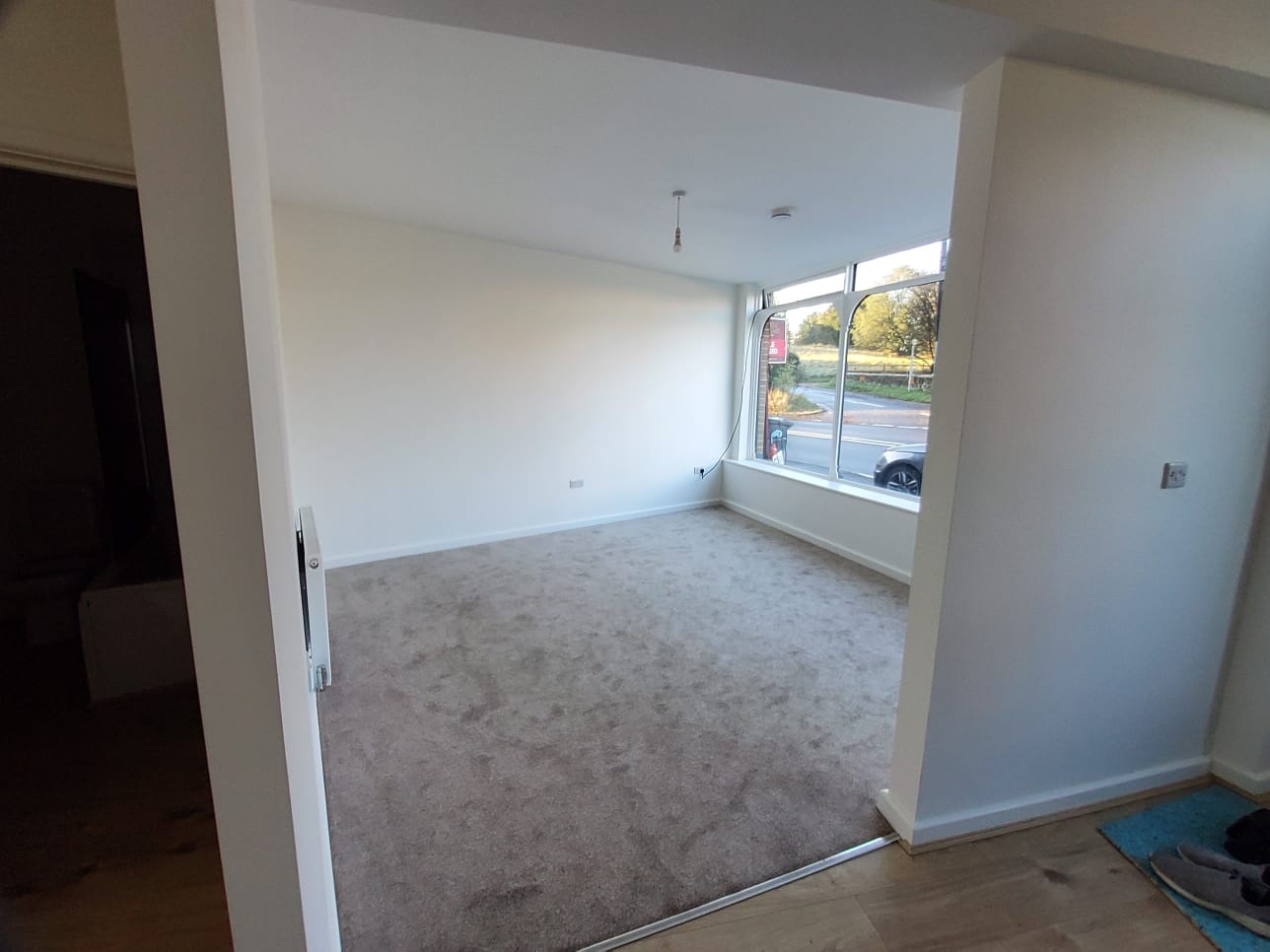
Levelling, replacing and stiffening boards to stop movement and squeaks, then fitting tile, vinyl, engineered timber and carpet once the wet trades are done.
Doors, skirting, architrave, staircases, fitted wardrobes and alcove storage from our carpenters, with period profiles matched rather than replaced with modern stock.
Rewires, additional sockets and layered lighting schemes certificated by our electricians, plus heating alterations and radiator moves by our plumbers.
Replaced as part of the works through kitchen refurbishment and bathroom refurbishment, then full painting and decorating once everything has dried.
A good deal of our internal work happens in buildings that cannot simply be emptied. This is how we handle that.
For landlords and agents the priority is usually the date. Tell us when the property has to be ready and we will say honestly if the scope fits the time.
Estate Agents
As a property company, I have used CB now for a good few years. The service is great, the builders are very knowledgeable and they tidy up after themselves.
The Victorian and Edwardian houses across Eastbourne, Hastings and Bexhill hold most of our internal work, and they share a pattern: good ceiling heights, original joinery worth keeping, solid walls that need breathable materials, and a rear addition with a cramped kitchen and bathroom that never worked well.
Many have been converted into flats, and those conversions are where we find the most to put right. Rooms subdivided awkwardly, plumbing added in odd places, no sound insulation between floors and no fire separation to the communal stair. The last of those is a safety matter and ties into our fire assessment work.
Commercial interiors are a growing part of what we do, particularly offices and meeting rooms around the town centre. Those jobs are less about structure and more about partitions, lighting, flooring, decoration and working outside business hours so the company can carry on trading.
In both cases the material choices matter. Solid walls want lime rather than gypsum, and commercial circulation areas want hard wearing scrubbable finishes rather than domestic emulsion, or they look tired within a year. There are examples of both on our who we work with page.
Often yes, if the work moves room by room. We agree at the start which rooms stay usable, keep a working kitchen and bathroom for as long as possible, and seal off the areas being worked on. A full rewire and replaster of a small house is the one case where moving out for a couple of weeks usually makes life easier.
Some of it, yes. Removing a load bearing wall, forming a new opening, altering drainage, new electrical circuits, changes affecting fire escape and adding a bathroom are all notifiable. Simple redecoration and non structural partitions are not. We tell you at the quote stage what your job needs and we deal with building control.
Dust screens and zip doors across openings, floor protection through circulation areas, extraction on cutting tools where we can use it, and clearing up at the end of each day rather than the end of the job. Plastering and floor removal are the dusty stages, and we tell you in advance which days those are.
Yes. We match skirting, architrave and coving profiles rather than fitting the nearest modern stock, repair lath and plaster where it can be saved, and keep and repair original doors and staircases where the timber is sound. In a period room those details are most of the character.
Yes. We refurbish offices, meeting rooms, corridors and communal areas, including partitions, suspended ceilings, lighting, flooring and decoration, and we can work outside business hours. There are examples on our who we work with page.
A single room is usually a week or two. A flat is commonly four to eight weeks. A whole house with rewiring, replastering, new kitchen and bathrooms and full decoration is more often two to four months. We give you a programme with the quote, and we would rather quote realistically than promise a date we will miss.
Yes, and it is worth doing while floors and ceilings are open. Options include acoustic insulation between joists, resilient bars and an independent ceiling, and acoustic underlay beneath hard flooring. In a converted flat it is often the single improvement residents notice most.
If the property is being refurbished and the wiring or pipework is old, yes. Walls and floors are open, so it is the cheapest it will ever be, and closing everything up over perished cable or mixed old pipework means opening it again within a few years. We test first and tell you honestly what actually needs doing.
We are based on Hyde Gardens in Eastbourne, so the town and the villages around it are home ground for us. We are out working here most days and we know the housing well, including the older seafront terraces, the Victorian and Edwardian houses in Upperton and Meads, and the newer estates and blocks of flats nearer the edge of town.
From Eastbourne we cover the whole of East Sussex. Along the coast that takes in Bexhill, Hastings, Seaford, Newhaven, Brighton, where salt air and driving rain are hard on any building. Inland we work regularly in Polegate, Hailsham, Pevensey, Willingdon, Lewes, Uckfield, Heathfield, Crowborough, Battle and the smaller villages between them, where period cottages and country properties often need a gentler approach and older materials matched carefully.
Being local matters for internal refurbishment. We can get to you quickly to take a look, we know the buildings and the ground conditions, and we are never far away if you need us again. If your village is not on the list there is a good chance we still reach you, so give us a call on 01323 671001 and we will tell you either way.
New flooring, carpeting and full internal refurbishment work in homes and offices across East Sussex.



We are Gas Safe registered and members of the Federation of Master Builders, NAPIT and the FSB. Those memberships mean our gas, electrical and building work is measured against recognised standards, and that an outside body has looked at how we work rather than us simply saying we are good at it. For a family business our reputation matters more than anything, and we have built it one customer at a time.
Our Accreditations